Key Takeaways:
- Invoice factoring provides quick access to cash by allowing businesses to sell their unpaid invoices for immediate funding.
- Factoring requirements include verified invoices, basic business documents, and customers with reliable payment histories.
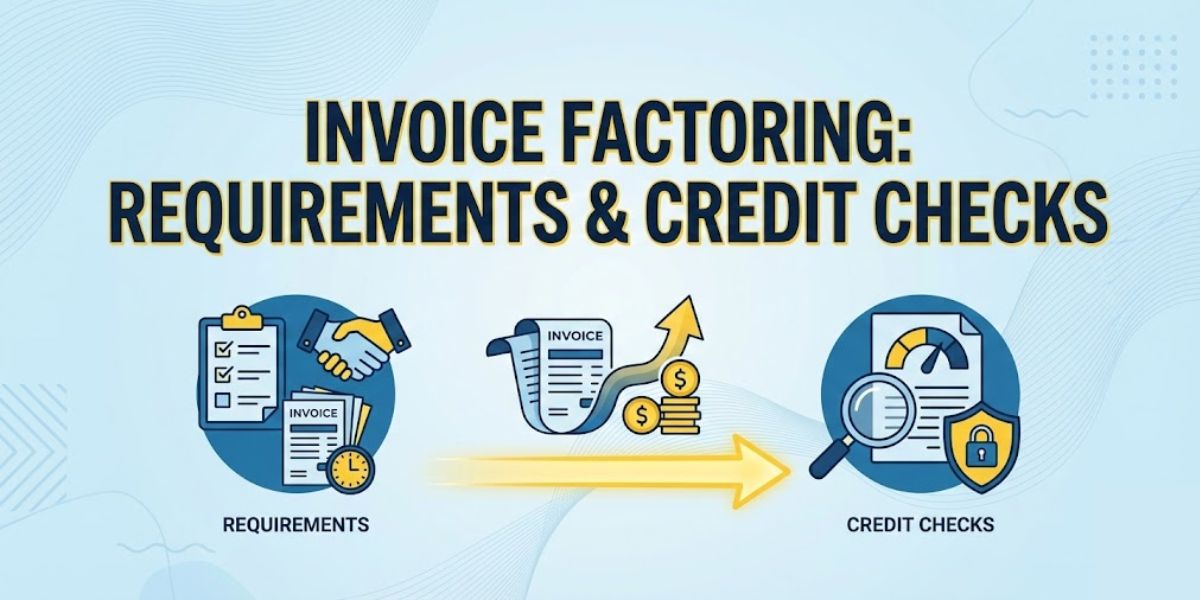
- Credit checks focus on evaluating customer payment behavior so the factor can determine risk, advance rates, and approval terms.
- Routiqo is a strong factoring choice thanks to its fast approvals, transparent pricing, and dependable cash-flow support.
What Is Invoice Factoring?
Invoice factoring is a financing method where a business sells its outstanding invoices to a factoring company for quick cash. It allows companies to access working capital without waiting for customers to pay their bills.
The factoring company advances most of the invoice value upfront and then collects payment directly from the customer. After the customer pays, the remaining balance is released to the business minus a small fee.
Companies often use invoice factoring to manage payroll, restock inventory, or stabilize cash flow during slow payment periods. It works well for businesses whose customers have strong payment histories since approval depends on customer credit rather than the business’s own credit profile.
Also Read: Invoice Factoring 101
What Are The Basic Requirements For Invoice Factoring?
- Verified Invoices: The business must provide completed and undisputed invoices that clearly show the work has been delivered and is ready for payment.
- Customer Creditworthiness: Factoring companies look for customers with steady payment habits and dependable financial profiles to ensure the invoices are collectable.
- Clear Terms: Invoices should have simple payment timelines, usually between 30 and 90 days, so the provider can predict when funds will return.
- Aging Report: An updated accounts receivable aging sheet helps the factor see how consistently customers pay and whether any balances are slipping behind.
- Legal Standing: The business should be in good operational shape without ongoing legal issues that could interfere with invoice repayment.
- Lien Status: Existing UCC filings on receivables must be released or subordinated so the factor can secure its rights without competing claims.
- Customer Spread: A diverse customer base lowers the risk tied to any single buyer and gives the factor more confidence in overall receivable health.
- Operational Stability: Even newer companies can qualify when they show steady activity, organized billing, and reliable customer relationships.
- Basic Documentation: Standard documents such as bank statements, customer lists, and business formation records help the provider complete its verification process.
Why Do Factoring Companies Perform Credit Checks?
- Risk Assessment: Factoring companies review customer credit to understand how likely each invoice is to be paid on time.
- Payment Reliability: Strong payment histories show that customers consistently meet their obligations, which lowers the factor’s overall risk.
- Advance Safety: Credit checks help the provider determine how much of the invoice value they can safely advance without exposing themselves to loss.
- Fee Accuracy: Reviewing credit profiles allows the factor to set fair fees based on the financial strength and payment behavior of each customer.
- Fraud Prevention: Credit evaluations help verify that the customers and invoices are legitimate, reducing the chances of disputes or fraudulent activity.
- Portfolio Stability: Understanding customer credit helps the factor maintain a balanced and secure portfolio, especially when dealing with high-volume invoices.
- Predictable Cash Flow: Reliable customer credit ensures that payments will return on schedule, allowing the factor to fund businesses consistently.
Do You Need Good Credit To Qualify For Invoice Factoring?
Most businesses do not need strong personal or business credit to qualify for invoice factoring. Providers base their decisions primarily on the credit strength of the customers who owe the invoices.
Factoring companies evaluate how reliably those customers pay their bills because they are the ones sending the final payment. This structure shifts the risk away from the business owner and toward the actual buyers.
As long as the customers have solid payment histories, a business with weak credit can still access funding without obstacles. This makes invoice factoring attractive for companies that may not qualify for loans but still need steady cash flow.
What Documents Are Required For Factoring Approval?
- Submitted Invoices: The factor reviews the invoices you want to fund to confirm that the work is completed and ready for customer payment.
- Aging Report: An accounts receivable aging sheet shows how long invoices have been outstanding and helps the provider assess payment patterns.
- Customer List: A clear list of active customers gives the factor insight into who will be paying the invoices and how diversified your revenue is.
- Bank Statements: Recent statements help verify cash flow movements and confirm that the business is actively operating and receiving payments.
- Business Records: Formation documents, tax identification, and proof of ownership allow the factor to verify that the company is legally established.
- Contracts or POs: Any service agreements or purchase orders help demonstrate that the invoiced work is legitimate and properly authorized.
- Identification Proof: Basic identification from the business owner helps complete compliance checks and finalize the underwriting process.
How Do Customer Credit Checks Work In Invoice Factoring?
- Credit Reports: Factoring companies pull commercial credit files to see how consistently each customer pays their vendors.
- Payment History: Providers review past payment behavior to understand whether the customer pays early, on time, or frequently delays.
- Risk Scores: Business credit scores help the factor gauge financial stability and determine the level of risk tied to each invoice.
- Trade References: Some factors contact suppliers to verify how the customer handles other outstanding obligations.
- Public Records: Providers check for liens, judgments, or bankruptcies that could affect the customer’s ability to meet upcoming payments.
- Credit Limits: After the review, the factor assigns a credit limit for each customer to ensure funding aligns with their financial strength.
- Ongoing Monitoring: Customer credit is tracked regularly so the factor can adjust limits or requirements if payment behavior changes.
What Factors Affect Your Factoring Approval Odds?
Revenue and Time in Business
Most factoring companies prefer businesses with steady revenue and at least a few months of operating history. This shows operational stability and reduces perceived risk.
Invoice Freshness and Aging
Newer invoices with short aging periods are more likely to be approved. Older invoices indicate higher risk and may receive lower advance rates.
Customer Concentration Levels
If most of your revenue comes from one or two customers, some factors may view it as high risk. Providers may set credit limits or request additional documentation in these cases.
Existing Liens and UCC Filings
Active UCC liens can prevent a factor from securing invoice rights. You may need lien releases or subordination agreements before proceeding.
These elements help factoring companies evaluate the full picture of your receivables. With that context, let’s address whether bad credit affects eligibility.
Can You Qualify For Invoice Factoring With Bad Credit?
Businesses with bad credit can still qualify for invoice factoring because approval is based on the payment strength of their customers. Factoring companies care more about whether those customers have a reliable history of paying invoices on time.
Even when a business owner has past credit challenges, strong and verifiable invoices help balance out the risk for the provider. As long as the customers show steady financial behavior, the factor feels confident advancing funds.
This structure makes invoice factoring a practical option for companies that cannot secure traditional financing but still need consistent cash flow. It allows businesses to move forward financially while gradually rebuilding their credit position.
How Long Does The Factoring Approval Process Take?
The factoring approval process typically takes between 24 to 72 hours once all documents are submitted. Providers move quickly because they rely on invoice verification rather than lengthy financial reviews.
During this period, the factor checks the invoices, reviews customer credit, and confirms that no liens interfere with the receivables. These steps help them understand the risk level and set appropriate advance limits.
After approval, first funding usually arrives within a day or two, while ongoing invoices get paid even faster. This speed makes invoice factoring an efficient way for businesses to stabilize cash flow without the delays of traditional lending.
What Happens If A Customer Fails A Credit Check?
- Invoice Decline: The factor may reject invoices linked to that customer because the risk of nonpayment is too high.
- Lower Advances: Some providers may still fund the invoice but reduce the advance rate to balance the added uncertainty.
- Stricter Terms: The factor might adjust fees or require additional verification to protect themselves from potential losses.
- Account Review: Providers may place temporary limits on that customer until their payment behavior improves.
- Alternative Options: The business may choose to avoid factoring that customer’s invoices and instead focus on buyers with stronger credit.
Which Invoice Factoring Company Should You Choose?
Routiqo makes invoice factoring straightforward for businesses that want quick payments without dealing with confusing terms or long wait times. They focus on giving you steady cash flow so you can keep your operations moving without stress.
What people appreciate most is how easy Routiqo is to work with, thanks to competitive rates, fast approvals, and support from real account managers who understand day-to-day challenges. Their online portal and mobile tools also make it simple to submit invoices and track payments whenever you need to.
Routiqo adds another layer of confidence by offering clear pricing, credit protection, and service that feels hands-on instead of automated. With consistent funding and zero hidden fees, they become a reliable partner for any business looking to strengthen its cash flow.
Leave a Reply