Key Takeaways:
- ACH transfers provide a low-cost and reliable method for recurring or scheduled freight factoring payments.
- Wire transfers deliver immediate funding, ideal for urgent or high-value carrier settlements.
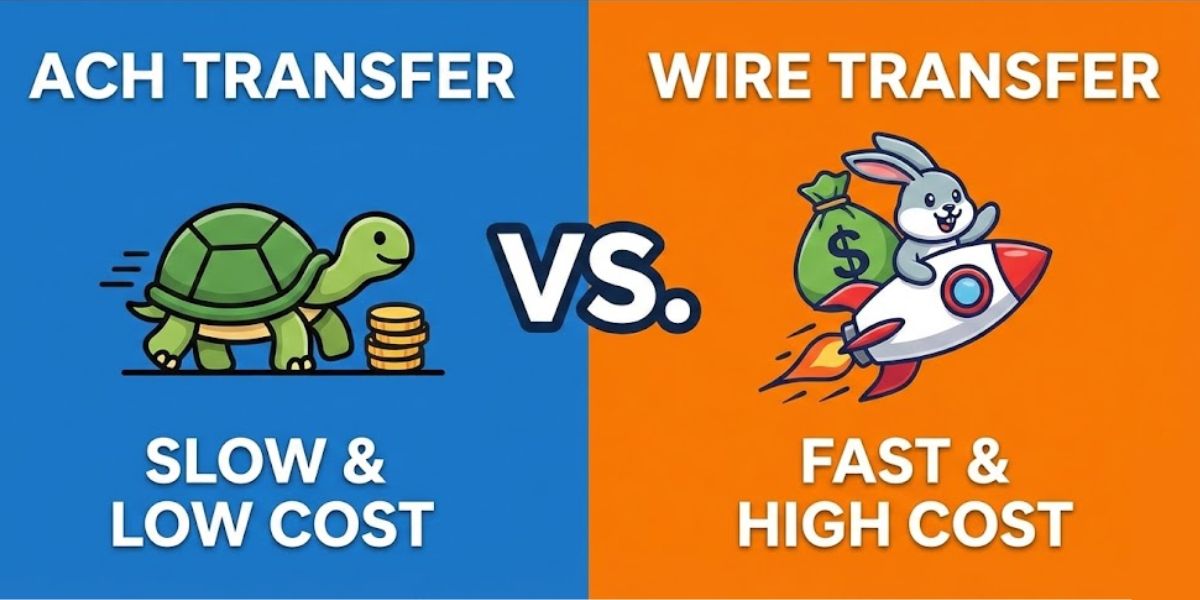
- The main difference between ACH and wire lies in speed, cost, and settlement structure.
- A combined approach using ACH for routine payouts and wire for urgent needs ensures both efficiency and liquidity in freight factoring.
What Is An ACH Transfer?
An ACH transfer moves money electronically between banks using the Automated Clearing House network. It offers a secure and reliable way for businesses to send and receive funds without relying on paper checks.
The network processes payments in organized batches, allowing banks to handle large volumes efficiently. This makes ACH ideal for recurring or scheduled transactions such as payroll deposits, vendor payments, or factoring settlements.
In freight factoring, ACH transfers allow factoring companies to pay carriers on time and at low cost. The predictable funding cycle helps carriers manage fuel, maintenance, and operational expenses with steady cash flow.
How ACH Transfer Works?
- Transaction Initiation: A factoring company or payer starts the ACH transfer through its bank or payment platform, entering account details and the amount to be sent. This step authorizes the movement of funds electronically.
- Batch Processing: Banks compile multiple ACH requests into batches and forward them to the Automated Clearing House network for routing. Each transaction is sorted and directed to the correct receiving bank.
- Clearing and Settlement: Once verified, the receiving bank credits the recipient’s account. Funds typically appear within one to three business days, depending on processing times and bank schedules.
What Are The Benefits & Challenges of ACH Transfer?
| Benefits of ACH Transfer | Challenges of ACH Transfer |
| Low transaction cost compared to wire transfers | Slower processing time (1–3 business days) |
| Reliable and secure electronic payment system | Limited to domestic transactions |
| Efficient for high-volume and recurring payments | Processing delays on weekends and holidays |
| Reduces manual errors through automation | Reversible until settlement, creating minor risk |
| Easy to track and reconcile transactions | Same-day ACH availability varies by bank |
| Supports predictable cash flow for factoring companies | Dependent on accurate bank account information |
What Is A Wire Transfer?
A wire transfer moves money electronically between banks through a real-time communication network. It delivers immediate and secure fund transfers, especially for high-value or time-sensitive payments.
Each transaction is processed individually, not in batches, which ensures faster delivery but increases cost. In freight factoring, wire transfers are used when carriers need instant funding to manage fuel, repairs, or urgent operating expenses.
How Does Wire Transfer Works?
- Payment Authorization: A factoring company initiates a wire transfer through its bank, providing recipient details and payment instructions. The bank verifies credentials and confirms sufficient balance before processing.
- Interbank Transmission: The sending bank transmits payment data through networks like Fedwire or SWIFT. Each transaction moves directly from one bank to another without batching or delay.
- Settlement and Confirmation: The receiving bank credits the carrier’s account once funds are received. Most domestic wires settle within a few hours, while international wires may take one to two business days.
What Are The Benefits & Challenges of Wire Transfer?
| Benefits of Wire Transfer | Challenges of Wire Transfer |
| Immediate or same-day fund transfer | High transaction fees per transfer |
| Ideal for urgent or time-sensitive payments | Costly for frequent or high-volume use |
| Secure and traceable payment method | Irreversible once processed |
| Suitable for large-dollar transactions | Limited processing outside business hours |
| Reduces funding delays for carriers | Requires manual initiation and approval |
What Are The Key Differences Between ACH And Wire Transfer?
Both ACH and wire transfers move money electronically, yet their structure, timing, and cost create very different outcomes. In freight factoring, these differences determine how fast carriers receive funds and how efficiently factoring companies manage cash flow.
Processing Method
ACH transfers move through a centralized clearing system where banks group payments in batches. This setup supports high-volume transactions but delays real-time completion.
Wire transfers handle each payment individually between two banks. The direct transfer path provides immediate movement once authorization is complete.
Transfer Speed
ACH transfers generally settle within one to three business days. When processed through same-day channels, payments can reach accounts within hours if submitted early in the day.
Wire transfers complete within minutes to a few hours. This speed is valuable for factoring companies funding carriers who need same-day access to cash.
Cost Structure
ACH transfers remain low-cost, usually under two dollars per transaction. Their affordability makes them ideal for daily factoring disbursements and recurring carrier payments.
Wire transfers carry higher costs, often between fifteen and thirty dollars for each payment. This cost limits their use to urgent or high-value settlements where timing outweighs expense.
Reversal Policy
ACH transactions can be reversed before final settlement if errors or unauthorized activities occur. This flexibility allows correction but requires careful oversight.
Wire transfers are permanent once the receiving bank accepts the funds. This provides certainty but eliminates the ability to reverse after approval.
Transaction Flow
ACH transfers allow both credit and debit movements, supporting two-way fund management. Factoring companies use this structure to advance funds and recover fees efficiently.
Wire transfers move funds in one direction only. Each new payment requires fresh authorization and cannot be automatically repeated.
Usage Pattern
ACH supports recurring or scheduled payments that run automatically once approved. It works best for structured factoring payouts made on predictable schedules.
Wire transfers serve as single-use transactions. They are often reserved for specific payments that require manual review or same-day delivery.
Payment Size
ACH systems handle high volumes of smaller payments, generally under ten thousand dollars. They support daily settlements that maintain stable carrier cash flow.
Wire transfers move fewer but larger transactions. These payments often reach millions in value, making them suitable for significant business or international settlements.
Geographic Reach
ACH operates mainly within the United States and functions under domestic clearing rules. It provides consistent coverage for national carrier payments.
Wire transfers reach across borders through international banking networks. They support cross-currency payments and overseas settlements when carriers or brokers operate globally.
Factoring Impact
Factoring companies balance both transfer types to manage speed and cost effectively. ACH ensures affordability and predictability, while wire transfers guarantee fast availability when carriers need immediate payment.
Timing Comparison: ACH vs Wire
The primary timing difference between ACH and wire transfers lies in processing speed and transaction batching.
| Feature | ACH Transfer | Wire Transfer |
| Processing Time | 1–3 business days | Within hours |
| Processing Method | Batch-based | Real-time |
| Availability | Business hours only | Business hours (some real-time options) |
| Reversibility | Reversible until settlement | Irreversible once processed |
| Ideal Use Case | Routine payments | Urgent funding |
In freight factoring, time is liquidity. Carriers depend on fast payments to keep trucks moving. Wires deliver near-instant access, while ACH ensures predictable and affordable payouts.
A hybrid approach—using ACH for scheduled funding and wires for exceptions—balances both needs.
Cost Comparison: ACH vs Wire
The cost difference between ACH and wire transfers is significant.
| Feature | ACH Transfer | Wire Transfer |
| Average Cost per Transaction | $0.20–$1.50 | $15–$30 |
| Same-Day Option Cost | $1–$5 | Included in base cost |
| Volume Suitability | High-volume | Low-volume, urgent |
| Total Monthly Expense (for 100 transactions) | $20–$150 | $1,500–$3,000 |
When To Use ACH Vs Wire In Factoring?
The correct payment method depends on urgency, transaction volume, and cost tolerance.
Use ACH Transfers When:
- Funding occurs on a fixed daily or weekly schedule.
- Transaction volume is high.
- Carriers accept 1–2 day payment delays.
- Operating costs need optimization.
Use Wire Transfers When:
- Carriers require funds the same day.
- Large-dollar invoices need secure settlement.
- Urgent cash flow is necessary to prevent downtime.
Freight factoring companies frequently offer both methods, allowing carriers to choose between cost efficiency and speed.
Leave a Reply