Key Takeaways:
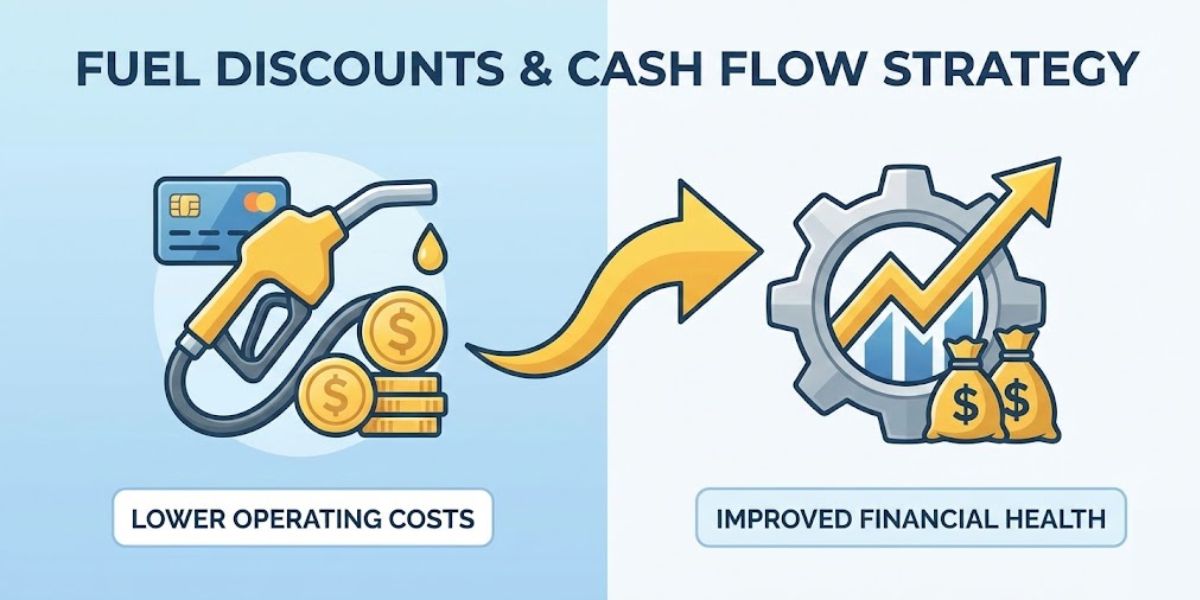
- Fuel discounts lower per-gallon costs and immediately reduce daily cash outflow for fuel-dependent operations.
- Strong cash flow depends on managing timing gaps between fuel expenses, supplier terms, and customer payment cycles.
- Negotiating better discounts and optimizing payment terms helps fleets strengthen liquidity and reduce financial strain.
- A balanced strategy that blends fuel savings, forecasting, and working-capital control supports long-term operational stability.
What Are Fuel Discounts, and How Do They Work?
Fuel discounts are reduced fuel prices offered through cards, supplier agreements, or network programs to help fleets lower per-gallon costs. These discounts apply either instantly at the pump or through monthly rebates based on usage.
They work by linking a fleet’s purchasing volume or loyalty to pre-arranged savings with fuel providers. As fleets increase their monthly fuel consumption, they often unlock higher discount tiers and more favorable pricing structures.
These programs matter because fuel is a major operating expense, and even small per-gallon savings accumulate quickly across multiple vehicles. By securing dependable discounts, fleets create more predictable fuel budgets and strengthen overall cost control.
How Does Cash Flow Operate in Fuel-Dependent Businesses?
- Cash Timing: Cash flow depends on how quickly revenue arrives compared to how soon fuel and operational costs must be paid. Frequent outflows for fuel, payroll, and maintenance create pressure when inflows are delayed.
- Margin Pressure: Fleets often operate on thin margins, so small timing differences between receivables and payables can disrupt working capital. Sudden increases in fuel prices widen these gaps and tighten liquidity.
- Operational Cycle: Fuel-dependent businesses must purchase fuel upfront while payments for delivered work often arrive weeks later. This timing mismatch makes strong cash flow management essential for stability.
How Does Cash Flow Operate in Fuel-Dependent Businesses?
Cash flow in fuel-dependent operations is shaped by the timing difference between when money is spent on fuel and when payments from customers are received. Because fuel costs are continuous and often high, any delays in revenue collection can quickly affect daily liquidity.
Accounts Payable Cycles
Fuel suppliers often require payment on short terms, which means cash exits the business quickly. When these payable deadlines arrive faster than incoming revenue, financial strain increases.
Accounts Receivable Timing
Customer payments frequently lag behind completed deliveries, slowing down cash inflow. This delay creates gaps that fleets must cover using reserves or financing.
Impact of Fuel Price Volatility
Sudden fuel price increases force fleets to spend more before adjusting their billing or rates. These fluctuations make cash flow unpredictable and add extra pressure to working capital planning.
How Do Fuel Discounts Directly Improve Cash Flow?
Fuel discounts reduce the amount of cash leaving the business for essential operations, immediately lowering day-to-day fuel expenses. These lower per-gallon costs free up funds that can be redirected toward payroll, maintenance, or emergency reserves.
As discounts accumulate over time, fleets experience stronger liquidity and reduced reliance on short-term financing. This stability helps businesses withstand sudden cost spikes and creates more predictable monthly budgets for long-term planning.
What Strategies Help Fleets Negotiate Better Fuel Discounts?
Fleets can secure stronger fuel discounts by using structured negotiation methods and clear purchasing data. These approaches help suppliers see consistent demand, which leads to more favorable pricing.
Volume Commitments
Suppliers often offer better discounts when fleets can demonstrate steady or growing fuel volume. Predictable monthly consumption provides leverage and encourages providers to extend deeper savings.
Competitive Supplier Bids
Requesting bids from multiple fuel suppliers allows fleets to compare discount structures and contract terms. This competitive pressure motivates suppliers to improve pricing to win or retain the account.
Consolidated Fuel Purchasing
Centralizing fuel purchases through fewer partners increases total volume at each supplier. Higher consolidated volume results in stronger negotiating power and access to more attractive discount tiers.
How Do Payment Terms Influence Cash Flow Strength?
Payment terms control how long a fleet can keep cash on hand before paying suppliers.
Net-10, Net-15, Net-30 Considerations
Short payment terms require faster cash outflow, which increases pressure on working capital. Longer terms give fleets more time to manage expenses and maintain liquidity.
Aligning AR and AP Cycles
When customer payments arrive after supplier deadlines, cash gaps form and strain operations. Aligning these cycles helps ensure incoming revenue supports outgoing obligations.
Using Fuel Cards to Smooth Payment Timing
Fuel cards extend billing cycles, allowing fleets to delay payments without interrupting operations. This delayed outflow helps stabilize cash flow and reduces short-term financial stress.
What Financial Tools Help Stabilize Cash Flow for Fuel-Driven Operations?
Financial tools help fleets manage timing gaps, reduce cash strain, and maintain steady working capital during fluctuating fuel costs.
Factoring and Receivables Financing
Factoring converts outstanding invoices into immediate cash, shortening the waiting period for customer payments. This quick access to funds helps fleets cover fuel, payroll, and maintenance without delays.
Maintaining Working Capital Buffers
Cash reserves provide a safety net during fuel-price spikes, slow payment cycles, or unexpected repairs. These buffers ensure operations continue smoothly even when revenue timing shifts.
Forecasting Fuel Spend and Price Exposure
Forecasting tools help fleets anticipate fuel usage and monitor market trends. With clearer visibility, businesses can plan budgets more accurately and reduce the risk of sudden liquidity shortages.
How Can Fleets Build a Sustainable Fuel-Discount and Cash-Flow Strategy?
A sustainable strategy combines fuel savings, payment timing, and risk control to create predictable financial performance.
Blending Discount Programs with Payment Strategy
Pairing negotiated fuel discounts with flexible payment terms maximizes both cost savings and cash retention. This combination reduces overall fuel spend while easing short-term liquidity pressure.
Using Technology for Spend Visibility
Digital tools provide real-time insights into fuel purchases, route efficiency, and spending patterns. With this visibility, fleets can identify waste, tighten controls, and improve overall financial planning.
Example Model of a Balanced Strategy
A balanced strategy includes steady discount programs, aligned AR and AP cycles, and a small working capital buffer. Together, these elements help fleets maintain consistent cash flow even during market volatility.
What Should Fleets Look for When Choosing a Fuel Discount Program?
- Discount Structure: Ensure the program offers consistent per-gallon savings or tiered rebates that match monthly volume.
- Network Coverage: Choose a program with widespread fueling stations to reduce route detours and wasted miles.
- Billing Flexibility: Look for statements and payment cycles that align with cash flow needs.
- Data Insights: Select systems that provide clear reporting on fuel use, savings, and driver behavior.
- Security Features: Ensure controls are available to prevent unauthorized purchases and reduce fraud.
- Scalability: Use programs that can adjust discounts as fleet size and fuel volume grow.
Final Thoughts
Fuel discounts and strategic cash flow planning work together to create a more stable financial foundation for fuel-dependent operations. By combining negotiated savings with optimized payment terms, fleets can reduce daily cash pressure and maintain smoother operational cycles.
A disciplined approach also helps fleets stay resilient when fuel prices rise or customer payments slow down. With steady liquidity and predictable expenses, businesses can protect profitability and plan for long-term growth.
Leave a Reply