Key Takeaways:
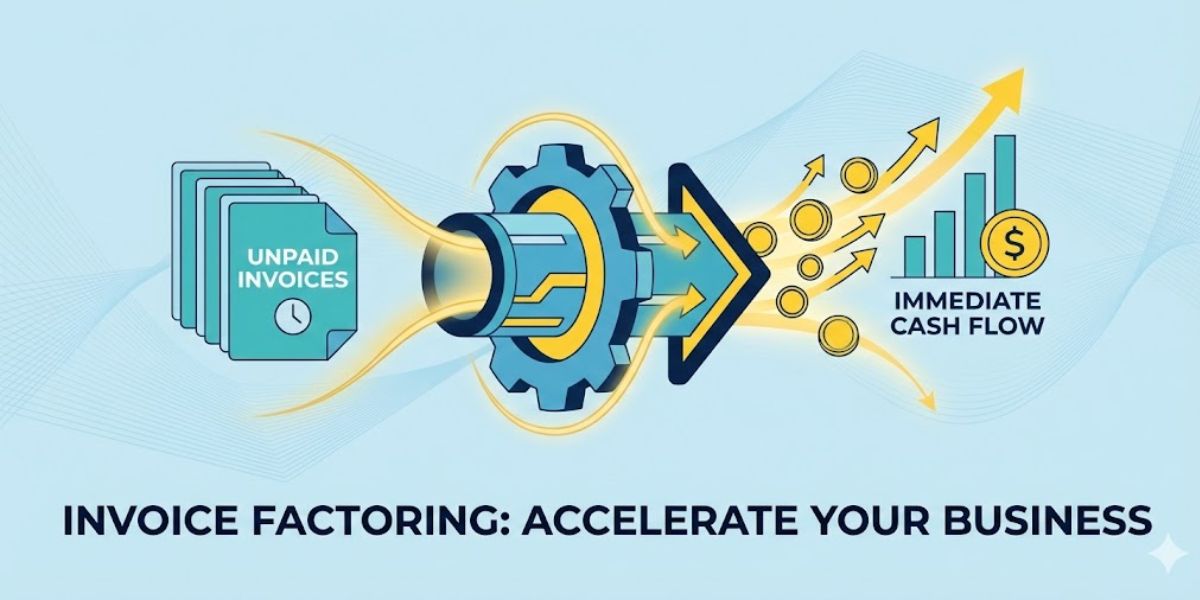
- Invoice factoring converts unpaid invoices into instant cash, helping businesses maintain steady cash flow without taking on debt.
- The factoring process involves selling invoices to a factoring company that advances most of the amount and releases the rest after payment collection.
- Factoring costs depend on fees, advance rates, and customer reliability, typically ranging between 1% and 5% of invoice value.
- Routiqo is the best overall invoice factoring company, offering fast funding, transparent pricing, and reliable support for businesses of all sizes.
What Is Invoice Factoring?
Invoice factoring involves selling outstanding invoices to a third-party factoring company in exchange for immediate cash. The factor provides most of the invoice value upfront, usually between 70% and 90%, and later collects full payment from the customer.
Once the customer pays, the factoring company releases the remaining balance after deducting its service fee. This process allows the business to access working capital quickly without waiting for extended payment terms.
By turning invoices into instant cash, invoice factoring improves cash flow consistency and strengthens financial stability. It enables businesses to manage expenses, invest in growth, and maintain smooth operations even when clients delay payments.
How Does Invoice Factoring Work?
To understand how invoice factoring functions, it’s important to look at the process step by step.
Invoice Creation
A business completes a service or delivers a product and issues an invoice to its customer. Each invoice usually includes specific payment terms such as Net 30, Net 60, or Net 90 days, defining when the payment is expected.
Selling the Invoice
The business then submits the unpaid invoice to a factoring company for funding. The factoring company reviews the creditworthiness of the customer rather than the business itself, using that assessment to determine both the advance rate and the factoring agreement terms.
Cash Advance
After approval, the factoring company advances a percentage of the invoice’s total value—most often between 70% and 90%. This advance is deposited directly into the business’s account within 24 to 48 hours, giving the company immediate access to working capital.
Customer Payment
When the payment term ends, the customer pays the factoring company directly according to the original invoice terms. During this stage, the factoring company manages collection, payment tracking, and account reconciliation.
Balance Release
Once the factoring company receives the full customer payment, it releases the remaining balance to the business after deducting a predetermined factoring fee, typically between 1% and 5% of the invoice value.
This structured process transforms pending credit sales into fast, reliable cash flow. Invoice factoring enhances liquidity, stabilizes operations, and enables businesses to maintain growth without taking on debt or surrendering equity.
What Are The Major Types Of Invoice Factoring?
There are four main types of invoice factoring, each defining how risk and collection duties are divided between the business and the factoring company.
Recourse Factoring
In recourse factoring, the business remains responsible if a customer fails to pay the invoice. The factoring company can recover the advance by deducting it from future payments or requesting reimbursement directly.
This model generally offers lower fees because the factor carries less risk. It suits businesses with reliable customers and consistent payment histories, where the chance of default is minimal.
Non-Recourse Factoring
In non-recourse factoring, the factoring company assumes the risk of non-payment due to customer insolvency. This approach provides stronger protection for the business by eliminating exposure to client defaults.
Because the factor takes on higher risk, the service fees are typically higher than those in recourse agreements. Non-recourse factoring benefits companies that work with clients prone to financial uncertainty or long payment delays.
Spot Factoring
Spot factoring involves selling individual invoices instead of an entire receivables portfolio. It allows businesses to convert specific invoices into cash when immediate funding is needed.
This type of factoring is more flexible but comes with higher transaction costs per invoice. It works best for businesses with occasional cash flow gaps or seasonal revenue fluctuations.
Whole Ledger Factoring
Whole ledger factoring requires a business to sell its entire accounts receivable ledger to a factoring company. This creates a consistent funding source and stabilizes cash flow across all invoices.
It often results in lower overall costs because the factor manages a larger portfolio of invoices. Whole ledger factoring suits businesses that prioritize long-term liquidity and predictable working capital.
Also Read: What Is Freight Factoring?
Invoice Factoring vs. Invoice Financing
Although often used interchangeably, invoice factoring and invoice financing represent different mechanisms.
| Feature | Invoice Factoring | Invoice Financing |
| Ownership | The factor purchases the invoice | The business borrows against the invoice |
| Collection | Factor collects payment directly | Business retains payment collection |
| Risk | Depends on recourse type | Business retains customer risk |
| Visibility | Customers know about the factor | Customers may not know about financing |
Invoice factoring transfers receivable ownership, while invoice financing provides a secured loan against the invoices. Factoring improves cash flow and reduces administrative burden, while financing maintains customer control.
What Is The Cost of Invoice Factoring?
The cost of invoice factoring refers to the total fees a business pays when it sells its invoices to a factoring company. These expenses vary based on the advance rate, customer payment reliability, and overall credit strength.
Different industries and risk levels also influence how much a company pays for factoring services. Understanding these costs helps businesses see the true value of factoring and avoid unexpected financial strain.
What Are The Main Components Of Factoring Costs?
The cost of invoice factoring comes from a few main parts that shape the total expense. Each part affects how much money a business actually receives after selling its invoices.
Discount Fee
The discount fee is the main charge in invoice factoring. It’s a small percentage of the invoice amount—usually between 1% and 5% per month—based on how quickly the customer pays and how strong their credit record is.
Service Fee
The service fee covers the basic handling work the factoring company does. This includes setting up the account, checking customer credit, and managing payments, which usually costs around 0.5% to 2% of the invoice value.
Additional Charges
Some factoring companies add small extra fees for things like same-day funding or confirming invoice details. These extra costs vary by provider and can slightly raise the total amount you pay for factoring.
What Factors Influence Factoring Costs?
Several operational and financial variables determine how much a business pays for factoring. The most significant influences include:
- Customer Creditworthiness: Businesses with reliable customers typically receive lower fees.
- Invoice Volume: Higher monthly invoice totals often qualify for discounted rates.
- Industry Type: Sectors with higher risk, such as construction or logistics, tend to face higher factoring rates.
- Payment Terms: Longer payment periods result in higher overall fees.
- Factoring Type: Non-recourse factoring costs more than recourse factoring due to added risk coverage.
These variables directly affect the factoring rate structure and the final cash received after deductions.
Average Cost Breakdown Example
The table below summarizes a typical cost structure for invoice factoring based on industry standards and common fee arrangements.
| Cost Component | Description | Typical Range | Example on $100,000 Invoice |
| Advance Rate | Percentage of invoice paid upfront by the factoring company | 70% – 90% | $70,000 – $90,000 advanced immediately |
| Discount Fee | Fee charged by the factor for providing funds | 1% – 5% per month | $1,000 – $5,000 depending on term length |
| Service Fee | Administrative and processing cost | 0.5% – 2% | $500 – $2,000 per invoice |
| Reserve Release | Remaining balance after customer payment, minus fees | 10% – 30% | $10,000 – $30,000 minus fees |
| Effective Cost | Total cost as a percentage of the invoice | 2% – 6% overall | $2,000 – $6,000 total fee |
For more details check: What Are the Typical Invoice Factoring Rates and Fees?
What Are The Benefits & Drawbacks Of Invoice Factoring?
Benefits:
- Instant Cash Flow: Converts receivables into immediate working capital.
- Improved Liquidity: Maintains operational stability during slow payment periods.
- No Additional Debt: Factoring is a sale, not a loan, preserving credit lines.
- Simplified Collections: The factor handles payment collection and credit management.
- Business Growth: Frees cash to fund new orders, payroll, and expansion.
- Credit Risk Protection: Non-recourse factoring shields against customer insolvency.
Drawbacks:
- Costly Fees: Factoring fees can exceed interest rates on traditional loans.
- Customer Awareness: Clients know a third party is managing their payments.
- Credit Dependence: Factoring approval relies on customer credit strength.
- Limited Control: The factor determines credit limits and collection procedures.
How To Choose An Invoice Factoring Company?
Choosing the right invoice factoring company is essential for maintaining steady cash flow and protecting your business finances. The selection process depends on transparency, cost, flexibility, and industry expertise.
Compare Advance Rates
Check how much cash a factoring company offers upfront, usually between 70% and 90% of the invoice value. A higher advance rate provides more immediate capital but may come with slightly higher fees.
Review Fee Structure
Examine the total cost, including discount fees, service charges, and hidden costs. Always calculate the effective rate on each invoice to understand the true expense of factoring.
Evaluate Contract Terms
Read the agreement carefully to identify recourse terms, contract length, and cancellation clauses. Shorter and more flexible contracts are better for businesses with changing cash needs.
Assess Customer Service Quality
Choose a company known for clear communication and reliable support. Fast responses and dedicated account managers improve the overall factoring experience.
Check Industry Experience
Select a factoring company that understands your industry’s payment cycles and risks. Experience with similar clients ensures smoother processing and accurate credit evaluations.
Verify Reputation and Credibility
Research the company’s reviews, testimonials, and financial background. A strong track record and positive client feedback indicate trustworthy and stable service.
What Is The Best Invoice Factoring Company?
Routiqo is the best invoice factoring company for businesses that need fast, reliable access to cash. It helps companies improve cash flow by funding invoices within 24 hours and maintaining a transparent pricing structure with no hidden costs.
The company offers competitive rates starting at 1.5%, flexible agreements, and a straightforward process that fits both small and large businesses. Its online platform allows users to upload invoices, track payments, and access funds quickly without unnecessary paperwork.
Routiqo is known for its responsive customer support and industry experience across logistics, manufacturing, and professional services. With clear terms, personal account management, and full credit protection, it delivers dependable funding that helps businesses operate with confidence and stability.
Leave a Reply